Datasparq
Helping Datasparq as their first marketer
I was the first marketing hire at Datasparq, an AI consultancy bringing AI and data products into industries such as aviation, logistics and manufacturing, often reached through the private equity firms behind them. As the solo marketer for around three years, I both set the strategy and ran it—hands-on across brand, website, campaigns and ads, with freelancers brought in along the way.
The work I took on with the chief commercial officer was to build a second route to market alongside the founders' networks and referrals: take the service lines the business had already delivered well, and more than once, productise them into clear offers, and find a repeatable way to take them to market industry by industry.
Most of it ran through the technical teams—product, operations and data science—picking up a new industry each time and working out what an offer really did before working out how to sell it.
The brand was the platform for everything
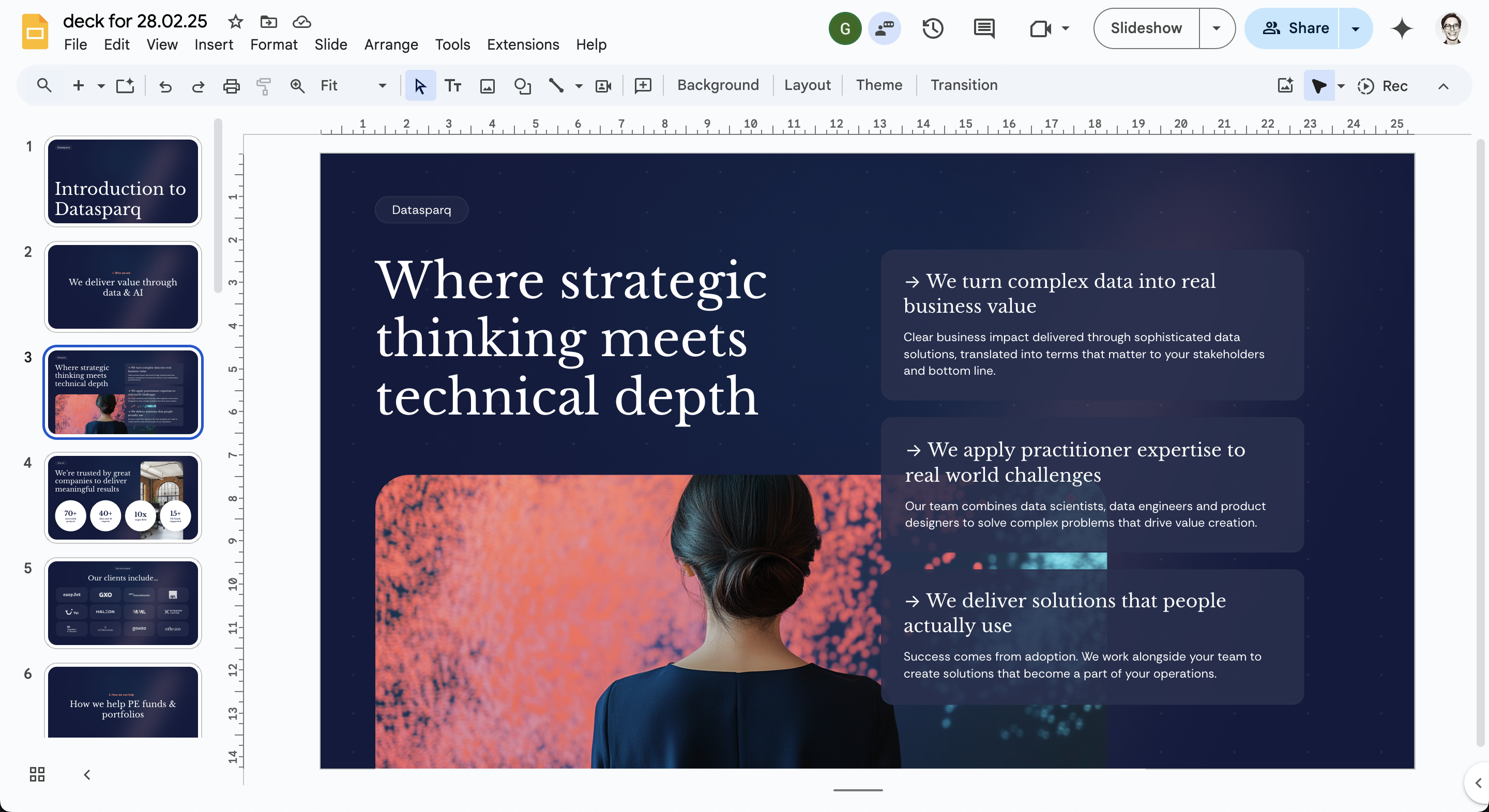
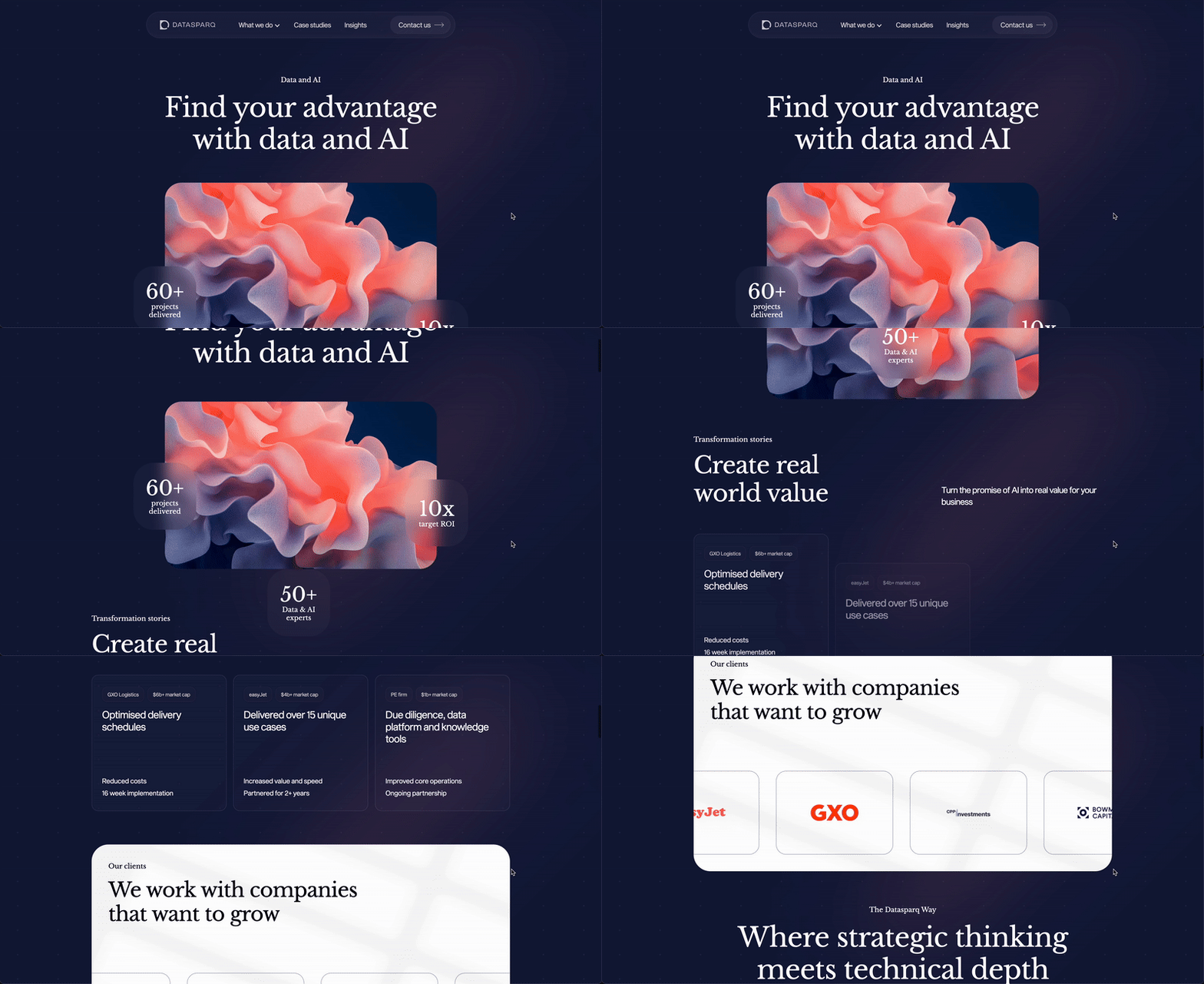
Underneath all of it was a brand and website rebuild, designed in Figma and built in Webflow. It was positioned around the people who mattered most to those deals—C-suite, executive directors, and the private equity firms behind them. The sector pages, decks and campaigns all ran off the same foundation, so aviation, travel and hospitality and the rest shared one platform.
Bringing AI pricing to aviation
I'll walk you through an example—an AI pricing product we took to market.
I started by going through the case studies and talking to the team, looking for the work we delivered best and where the customer feedback was strongest—the places a repeatable motion looked possible. Some market analysis on top of that, and we defined an offer for a specific persona in a specific segment of the aviation market.
The pricing product was really a wedge: a concrete, named offer is an easier way into an account than a broad "we do AI and data", and once we were in we could sell the wider work.
The marketing had to teach before it could sell
AI pricing was a fairly new category. Most airlines still ran rules-based systems, and the revenue managers who'd use Datasparq's product were technical and sceptical—they wanted to understand how the model worked, and they needed real confidence in it before trusting it with live prices. The press didn't help either: plenty of stories about AI and dynamic pricing behaving badly, fares and baggage charges spiking far past what seems reasonable, so it was a sensitive thing to get right.
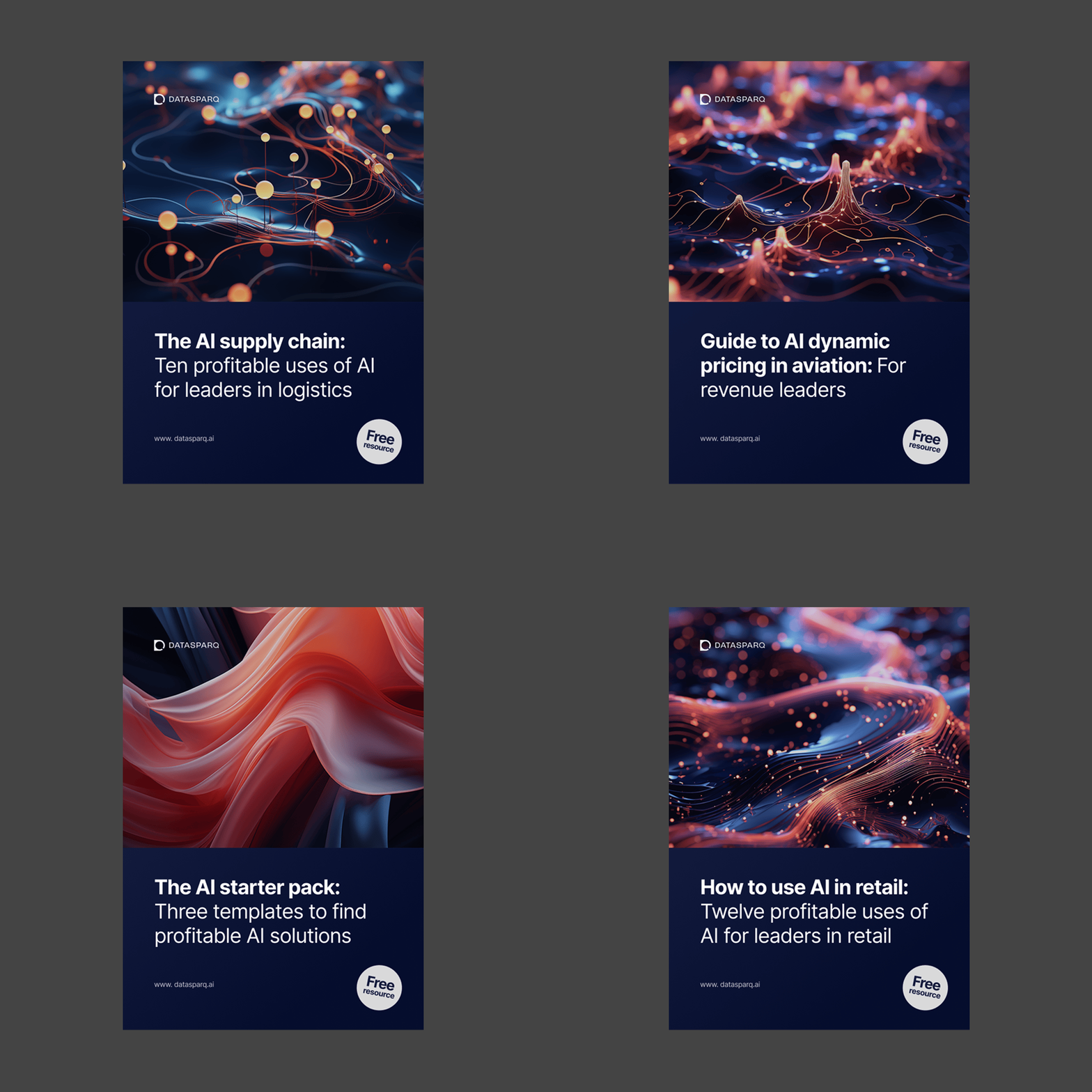
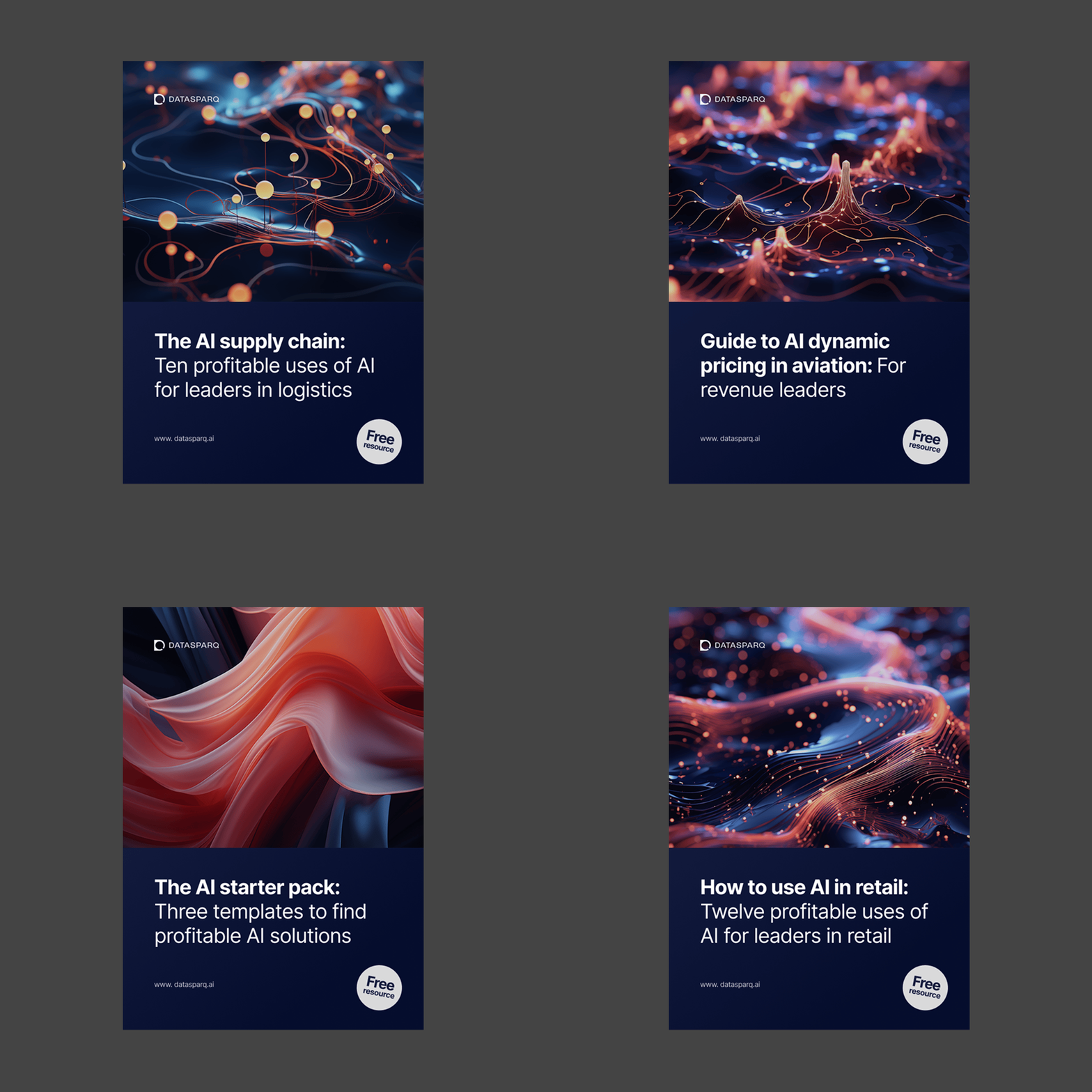
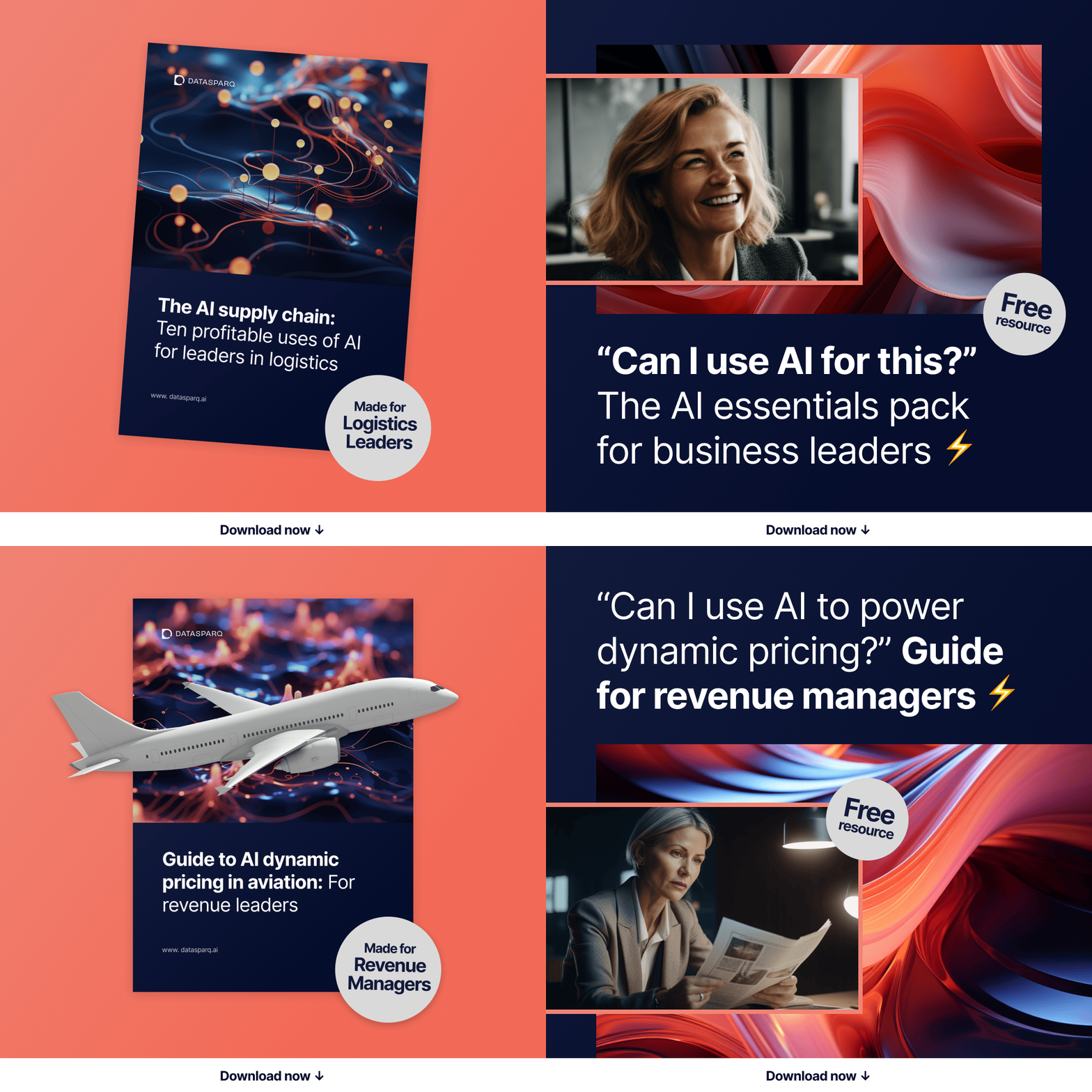
The hero asset was a report on how AI was changing pricing for airlines, with blog articles, interactive content and video around it. It gave the team a reason to start a conversation that wasn't a pitch.
Reaching a named list of the world's airlines
I uploaded the target account list to LinkedIn and ran it as a tiered ABM programme—the largest carriers with legacy systems and live signals got bespoke plays and most of the budget; the rest got lighter, templated coverage. Account selection was built with sales, so both sides chased the same names.
LinkedIn ads did most of the work, driving strong engagement to the report. Retargeting stayed with live deals, and tiered outbound went to the target account list. We also ran "AI and wine" webinars—20 to 30 prospects, plus speakers from Datasparq, its client list, and industry leaders, with a sommelier walking everyone through three bottles we'd sent ahead—cheap to run, and some of our best follow-ups came out of them. The World Aviation Festival was the in-person anchor each year.
Beat the Algorithm: making data science accessible to revenue managers
At the festival we ran a live challenge where airline revenue teams set ticket prices against our model, with a leaderboard ranking them. It was the best conversation-starter we had—people played because they enjoyed it, response rates were high, and we'd follow up with each team where they landed on the leaderboard. I worked with a data scientist on the team to put it together.
The result
Across the aviation campaign: around 240 marketing-qualified leads and 13 qualified opportunities, in conversations with some of the world's biggest carriers.
It also left the business with a repeatable system for opening a market and winning work—a defined audience, a tiered account list, a content engine, and real proof points—that we could pick up and run again. We used it to move into other sectors, with the brand and decks built to carry all of them.